
 Keith Jacobs
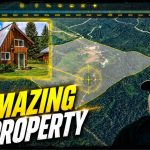
Survival properties can be crucial for those looking to be self-sufficient and ready for emergencies. A recent review highlighted a unique off-grid property in Central British Columbia that stands out for its preparedness features. With a price tag of around $1.275 million Canadian, this property spans 157 acres and comes equipped with many desirable characteristics for anyone serious about survival and self-sufficiency.
The land includes a well-constructed 2,000-square-foot home and several outbuildings, such as a passive solar greenhouse, sheds, and barns. These buildings can serve multiple purposes, like housing animals or storing essential supplies. The property also boasts a fast-flowing creek, providing a reliable water source, while a man-made pond adds extra functionality, although it may require some maintenance to keep it healthy. This mix of natural resources highlights the property’s potential for both emergency preparedness and everyday living.
Accessibility can be both an advantage and a disadvantage concerning this property. It’s located 17 kilometers from the nearest major highway, which means it could serve as a safe retreat during crises where privacy and security are paramount. The remoteness minimizes the chances of unwanted visitors, making it easier to defend if necessary. However, this isolation can pose challenges in everyday life. Access to medical services and supplies can be significantly limited, especially during winter. The roads may become treacherous, impacting travel and safety.
A notable benefit of the property lies in its natural security features. The surrounding terrain includes dense forests and rivers, which provide both concealment and resources. While the isolation may deter other people, wildlife such as grizzly bears can also be a concern. Practicing outdoor safety and securing food sources will be important for anyone considering this location for long-term habitation.
As for food production and sustainability, this property rates highly in potential. Though the soil quality is considered podzolic and somewhat acidic, the existing garden and passive solar greenhouse indicate an effort to enhance soil fertility. With the creek, the pond, and the presence of various tree species, there are opportunities for fishing, gardening, and even hunting. This potential for food generation can significantly increase the overall resilience of the property.
Overall, this property is an excellent example of what to look for in a survival property. Its combination of features—water sources, remote location, natural defenses, and food production capability—places it in the “A+” category for preparedness. While the price may be on the higher end for some, those looking to invest in a comprehensive survival and off-grid lifestyle should consider its many benefits.
In conclusion, anyone interested in preparedness should thoroughly evaluate such properties based on location, accessibility, security, and sustainability. While features like a solar greenhouse and clear land offer numerous advantages, potential buyers must also think about long-term living challenges in remote areas. Investing in property like this could provide a robust safety net for those wanting to ensure self-sufficiency in uncertain times.


GIPHY App Key not set. Please check settings