
 Keith Jacobs
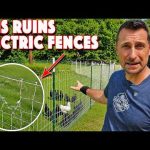
If your electric poultry netting keeps failing, it’s probably not the energizer — it’s one simple, preventable problem that wrecks fences and lets predators in. Learn the fast way to diagnose, repair, and stop the same damage from happening again so your chickens stay safe and your fence lasts for years.
Why electric poultry netting actually fails
Most people blame the energizer or a manufacturing defect, but the #1 culprit is physical damage and repeated shorts where the net contacts something conductive — usually wet vegetation, metal posts, or low-hanging branches. That constant shorting burns out strands, melts knots, and corrodes connectors. Over time UV exposure and rodents chewing the polytape or connectors make weak spots that turn into full breaks when the fence is under tension.
How to find the break fast
Start at the energizer and walk the fence with a clamp-style voltmeter or fence tester, checking for voltage drop every few feet. Look for dull or blackened knots, loose conductors, and places where plants touch the net. If you have a solar energizer, check both the positive/negative leads and the ground rod — a bad ground can disguise a broken strand. Isolate the problem by unplugging sections or using spare end posts to split the net into halves; the section without voltage pinpoints the damage.
Quick repair kit and step-by-step fix
Turn the energizer off and remove power before you touch anything. Cut out badly burned or frayed sections and splice with weatherproof crimps or insulated butt connectors rated for outdoor electric fence use. Replace short, melted knots with new connector clips or tie in replacement polytape/net sections using insulated joiners. Re-tension the net so it’s taut (sagging nets touch vegetation), reinstall insulators on any metal posts, and retest voltage. Keep a small kit on the homestead: fence tester, insulated pliers, spare clips, crimps, spare posts, and a roll of polytape.
Stop it from happening again
Prevention beats repair. Trim grass around the fence regularly, move metal objects away from the perimeter, use plastic or ceramic insulators on posts, and route net ends away from trees. Consider upgrading to UV-stable polytape and heavier-duty connectors if you run a solar energizer or a high-traffic chicken range. With a short inspection routine every few weeks and a basic repair kit on hand, you’ll keep your electric poultry netting working and your flock protected.


GIPHY App Key not set. Please check settings