
 Keith Jacobs
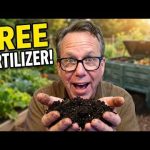
Stop Buying Fertilizer — Turn Trash Into Rich Soil Forever. Composting is the survival gardener’s secret: a low-cost, renewable way to build living soil that feeds your family long after stores run out.
Why a compost bin is the best investment for SHTF gardening
In a crisis, purchased fertilizers become scarce and expensive. Homemade compost replaces them by restoring soil fertility, improving water retention, and feeding beneficial microbes that keep plants healthy. A steady supply of organic compost reduces dependency on chemical fertilizers, increases yields in raised beds and in-ground plots, and helps your garden resist drought and pests—key advantages for any preparedness plan.
Set up a simple multi-bin compost system
Use a 2–3 bin rotation: Bin A is your active pile for daily kitchen scraps and fresh yard waste; Bin B is the curing pile where finished material matures; Bin C stores finished compost ready for application. Build bins from pallets, wire panels, or cheap plastic tumblers—anything that keeps materials contained and allows airflow. Aim for a working pile roughly 3x3x3 feet for hot composting, or larger if you’re doing cold composting and slower turns.
Balance, moisture, and turning — the three keys
Feed your pile with a mix of greens (kitchen scraps, grass clippings) and browns (dry leaves, straw, shredded paper). Shoot for a carbon:nitrogen balance near 30:1; a practical rule is 2–3 parts browns to 1 part greens by volume. Keep the pile as damp as a wrung-out sponge and turn it every 1–2 weeks for fast, hot compost. If you prefer lower effort, cold composting still works—just expect finished compost in months rather than weeks.
Fast tips to produce nutrient-rich homemade fertilizer
Chop materials small, add a shovel of garden soil or finished compost to inoculate with microbes, and cover the pile to retain heat and moisture. Avoid meat, dairy, and oily foods to minimize pests, and consider a sealed tumbling bin or wire mesh wrapped in poultry netting if rodents are an issue. Use finished compost as top dressing, seed-starting mix component, or to make compost tea for foliar feeding—practical, resilient fertility that keeps your garden producing when supply lines fail.


GIPHY App Key not set. Please check settings