
 Keith Jacobs
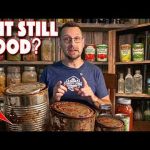
Think canned goods are a forever food? Think again. Here’s a clear, no-nonsense look at canned food shelf life, the safety and quality issues preppers keep running into, and the alternative storage method I prefer for real long-term food preservation.
How long does canned food really last?
Many canned goods remain safe to eat for years if the can is intact and stored cool and dry, but “safe” isn’t the same as “tastes good” or “nutrient-rich.” Low-acid foods (beans, meats, vegetables) often outlast high-acid foods (tomatoes, fruit) in quality. Labels and best-by dates usually indicate peak flavor, not a strict safety cutoff, so preppers focusing on long-term food storage need to track quality loss, not just safety claims.
The big issues: corrosion, seals, and quality loss
Cans can fail from rust, seam damage, or liner corrosion — and those failures raise real safety concerns. Bulging, leaking, or severely dented cans are red flags; throw them out. Even when cans remain sealed, taste, texture, and vitamin levels degrade over time. Temperature swings and storage on damp concrete accelerate corrosion and spoilage, so where and how you store matters as much as what you store.
Why I prefer freeze-drying for long-term storage
Home freeze-drying (yes, machines like Harvest Right are popular in prepping circles) locks in flavor, texture, and nutrients far better than canned or dehydrated options. Freeze-dried foods, properly vacuum-sealed in Mylar with oxygen absorbers, can stay shelf-stable for decades, weigh less for bug-out scenarios, and rehydrate quickly for real meals. It’s an upfront investment, but for serious long-term food preservation it outperforms canned food on longevity and quality.
Practical prepping tips: mix methods and rotate
Don’t ditch your canned goods — use them strategically. Keep a mixed pantry: canned items for easy meals and calories, freeze-dried for long-term nutrition and lightweight transport. Store at steady, cool temperatures, label everything with a pack date, inspect cans regularly, and rotate your supplies. For freeze-dried packs, use oxygen absorbers and thick Mylar, and keep an inventory so you actually use and replenish what you store.


GIPHY App Key not set. Please check settings