
 Keith Jacobs
Many families are turning to solar energy as a way to become more self-sufficient and reduce their reliance on traditional power sources. Solar panels are an excellent investment for sustainable living, providing clean energy right from the sun. However, like any system, solar setups can occasionally experience problems that may lead to decreased energy production. Understanding how to troubleshoot these issues can empower homesteaders to maintain their systems effectively and ensure they are getting the most from their solar investments.
When a solar system is not functioning as expected, the first step is to check all components carefully. This includes examining the inverter settings, connections, and the solar panels themselves. Monitoring apps can assist tremendously by providing real-time data on power output and system performance. If any discrepancies arise—such as batteries charging slowly or equipment not functioning correctly—there might be an underlying issue that needs quick attention. It is crucial to look into each part of the system to identify the source of the problem.
One common issue to investigate is the inverter settings. It is essential to confirm that each Maximum Power Point Tracking (MPPT) setting is correctly configured for optimal performance. The next step involves checking the voltage output of each solar string. By swapping around the input connections at the inverter, homesteaders can determine whether any specific string is underperforming. If a string shows significantly lower power output than others, it may be the source of trouble.
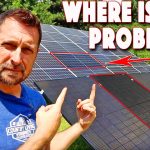
Once an underperforming string is identified, it is advisable to check each solar panel’s voltage individually. Disconnect the PV string and use a multimeter to measure each panel’s voltage. The readings should align closely with one another and with the values specified on the panels themselves. If significant differences are noticed among the panels, further investigation is needed to determine if a specific panel is malfunctioning. Issues can range from loose connections to damaged panels or bypass diodes, which may require a more in-depth examination and correction.
If the voltage of all panels appears consistent, the next focus should be on current discrepancies. Current problems often manifest as fluctuating readings from the solar strings. A DC clamp meter can help measure the amperage in real-time. If readings vary excessively, this could indicate a high resistance connection or a short circuit. Homesteaders should always be vigilant, as high resistance can cause connection overheating, potentially leading to fires. In this situation, using a thermal camera can provide a visual indicator of overheating components, enabling users to pinpoint and address the issue.
It is important for homesteaders to recognize that even a power drop during summer months can result from inadequate voltage for the inverter to operate correctly. Each MPPT has a specific voltage range required to “wake up” the unit. If solar panel production decreases and falls below this threshold for an extended period, the system may shut off. Homesteaders should always configure their panels to operate at least 10-15% below the peak voltage to safeguard against efficiency drops over time.
By methodically investigating the components of the solar system, homesteaders can often diagnose and fix issues on their own, ensuring their solar power systems remain efficient. This self-reliance supports the broader homesteading ethos, allowing families to harness renewable energy and maintain autonomy over their living situations and energy output. With a little patience and the right tools, anyone can troubleshoot their solar setup and keep their off-grid dream alive.


GIPHY App Key not set. Please check settings