
 Keith Jacobs
If your portable power station is gathering dust, it might be an expensive paperweight when the lights go out. A few minutes of routine checks—testing the inverter, verifying charge and charging sources, and setting the right storage state of charge—will keep your backup power reliable for emergencies, camping, and grid outages.
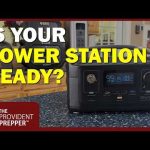
Don’t Use Your Power Station Until You Do This
Quick readiness checklist
Take it off the shelf and run a simple test: power it on, plug in a phone charger or LED light, and confirm AC and DC outlets work. Verify the unit accepts a charge from wall power and, if applicable, solar input. Check cables, fuse holders, and the display for error codes. If the inverter or ports don’t respond, you want to know now—not during a blackout. Routine testing is one of the most important steps in emergency preparedness for portable power stations.
Store at the right charge and temperature
Most lithium-based portable power stations store best around a partial state of charge—typically 40–60% depending on the manufacturer. Avoid storing fully charged or fully depleted for long stretches; both shorten battery life. Keep the unit in a cool, dry place—extreme heat is especially damaging to battery capacity. After testing, return the unit to the manufacturer-recommended storage charge level and log the date so you can retest in about three months.
Maintenance habits that extend battery life
Cycle the battery lightly every few months and update firmware if the manufacturer provides updates. Prevent deep discharges whenever possible and avoid continuous high loads that heat the battery and inverter. Use the correct charging sources (regulated wall chargers or compatible solar inputs) and keep connectors clean and corrosion-free. These simple battery-maintenance steps improve cycle life and ensure your backup power performs when you need emergency power during a power outage.
Prep smart—safety and redundancy
Label your power stations, keep spare cables and an extra battery bank if your setup allows, and practice a blackout drill so you know run-times for critical loads. Store units away from flammable materials, know UL or safety ratings for the device, and keep a small ABC fire extinguisher nearby. Pair your portable power station with solar charging or a generator plan for longer outages and rotate units regularly to avoid surprises.


GIPHY App Key not set. Please check settings