
 Keith Jacobs
Prep for Tuesdays — Beat Power Outages Without Freaking Out
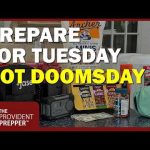
Most prepping advice screams “doomsday,” but real emergencies are usually boring, fixable, everyday problems — a power outage, a frozen pipe, or a week of missed paychecks. Shift your focus to practical, budget-friendly emergency preparedness that protects your family without breaking the bank or your sanity. Start small, aim for resilience, and treat prepping like home maintenance, not a cult.
Why Everyday Prepping Works Better Than Doomsday Fantasies
Emergency preparedness for everyday scenarios—power outage prep, short-term food and water storage, basic first aid, and communications—reduces fear and gives measurable returns. When you focus on likely events, you build skills and gear you actually use: battery lighting, a simple water plan, a reliable means to cook or heat, and a family communication protocol. That practical approach saves money, reduces waste, and builds family preparedness that stands up to storms, outages, and supply hiccups.
Simple, High-Impact Steps You Can Start Today
Begin with the basics: 72-hour kits for each family member, a small supply of canned and rotating staples, two weeks’ worth of critical medications, and several reliable light sources. Prioritize a quality headlamp or rechargeable lantern, a multi-fuel cooking option or camp stove, and a basic first-aid kit. Add a compact radio or GMRS handhelds for communications and practice your plan—knowing what to do beats having more stuff you don’t know how to use.
Power Outage Kit and Budget Prepping Hacks
A focused power-outage kit delivers the biggest peace-of-mind for the least cost: LED lanterns or HybridLight-style options, extra batteries and a USB power bank, a small cooler with ice packs, and simple blackout cooking gear. Rotate water and food on a schedule, keep medicines organized, and use multi-use items (solar chargers, hand-crank radios) to stretch your budget. Shop sales, buy quality for high-use items, and DIY where safe—insulating windows, weather-stripping doors, and learning to safely shut off utilities are free or cheap resilience wins.
Build Confidence, Not Panic
The real goal is family preparedness that’s repeatable: a practiced evacuation or shelter-in-place plan, clear roles for each person, and monthly checks of your supplies. Drill once a season, review meds and perishables, and keep documentation in a waterproof pouch. Prepping for Tuesdays is realistic, sustainable, and actually lifesaving—start with one small project this weekend and build from there.


GIPHY App Key not set. Please check settings