
 Keith Jacobs
Creating a sustainable lifestyle through homesteading offers individuals and families a sense of independence while also fostering a deeper connection to nature. One vital aspect of homesteading is managing energy consumption, especially if one is relying on solar power or other renewable sources. Recently, a homesteader learned the importance of battery storage capacity in supporting increased energy loads on their property. This article explores the steps and considerations involved in successfully integrating a new battery system into an existing setup.
As energy needs grow, it becomes crucial to assess and enhance battery capacity. The homesteader in this story experienced this firsthand as guests began using their travel trailer, with the air conditioning running to prevent mildew. Additionally, they had an electric UTV that needed charging. These increased loads highlighted the need for a more powerful battery system to ensure that the barn’s energy demands could be met, especially during warm summer nights. Consequently, adding a high-capacity battery storage solution became a priority.
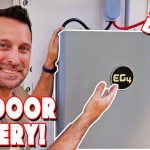
The homesteader chose to install an outdoor wall-mount battery, specifically the EG4 model, with a capacity of 280 amp hours. This battery is not only durable and rated for outdoor use but also comes with features that ensure safety and functionality, such as UL certifications and built-in fire arresters. The added bonus of self-heating technology allows it to function effectively in colder climates, ensuring consistent energy availability throughout the year. These aspects make this battery a robust choice for any homesteader looking to optimize their energy system.
When integrating new battery components, proper installation is crucial. The homesteader needed to ensure that their existing batteries were appropriately matched to the new system. For those adding outdoor wall-mount batteries to preexisting systems, a key consideration is to maintain balance between battery types. In this case, the homesteader connected the new battery to three existing server rack batteries to achieve equilibrium in the charging state. This careful approach prevents damage to the batteries and facilitates smoother operation.
Next, the installation required proper conduit work to safeguard battery cables as they transitioned from the exterior to the interior of the barn. This involved securing the cables with connectors and ensuring they reached the bus bar, which serves as the main connection point for energy distribution. The homesteader emphasized using high-quality tools and connectors, such as hydraulic crimpers and insulation strippers, to guarantee reliable connections. Following these steps is essential for ensuring both safety and efficiency in the homestead’s energy system.
Ultimately, adding a new battery not only increased energy reserves but also provided peace of mind regarding the reliability of power on the homestead. With everything correctly connected and the system running smoothly, the homesteader looked forward to enjoying a well-functioning setup that could support their growing energy needs. By taking these methodical steps in enhancing their battery capacity, they could continue living off the grid while embracing the autonomy and sustainability that homesteading embodies. Each individual or family venturing into self-reliance can draw inspiration from this experience, encouraging them to evaluate their power systems and make informed choices for their own homesteads.


GIPHY App Key not set. Please check settings